



mohameddosou
News • Books • Investing & Finance
This community brings together global citizens interested in culture, identity, storytelling, and critical thinking. We discuss history, politics, mental health, creativity, and digital independence through books, media, and open conversation. Our goal is to encourage empathy, self-expression, and thoughtful dialogue beyond borders, while supporting creators and ideas that value depth, honesty, and impact.
Interested? Want to learn more about the community?

Learn more first

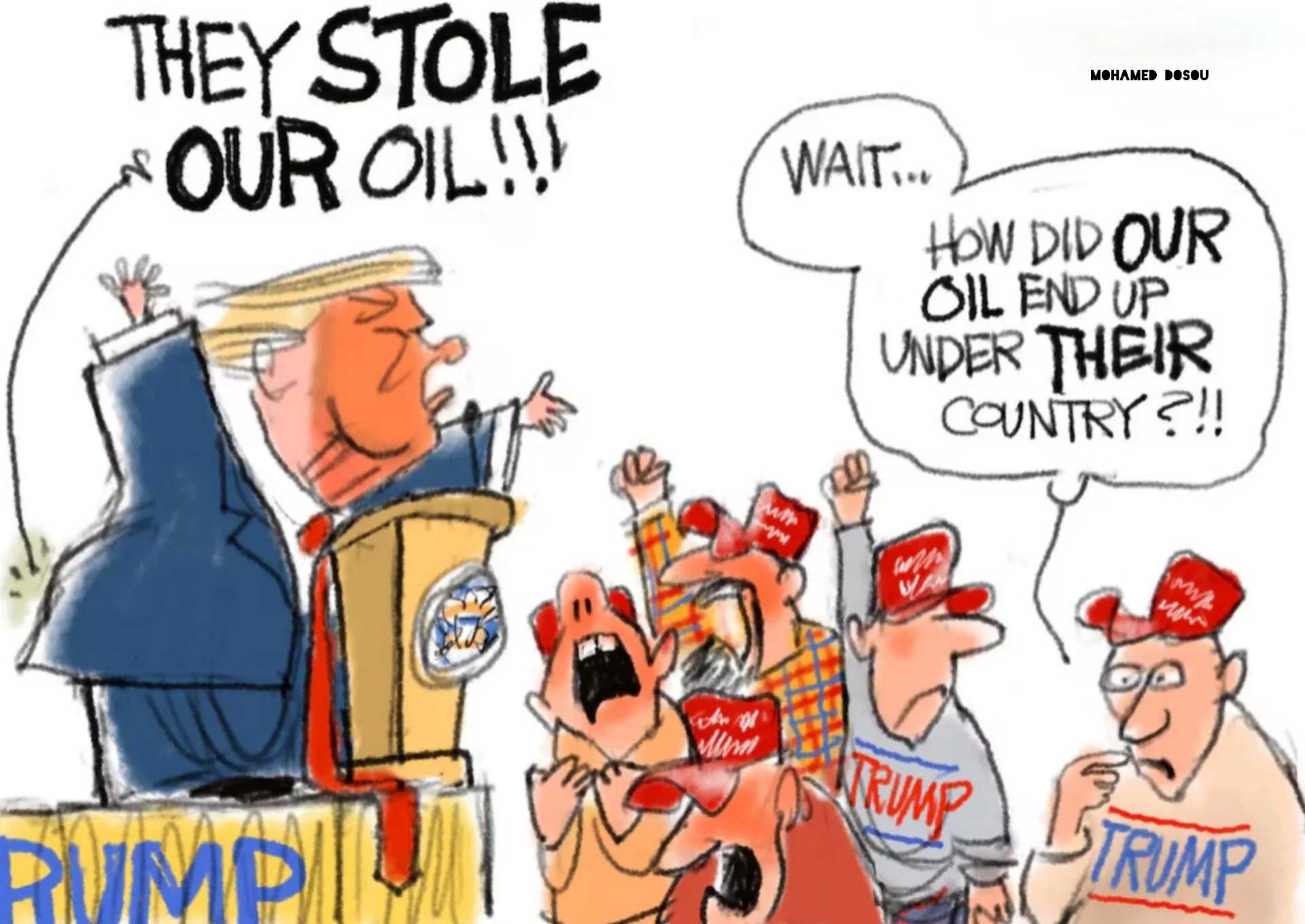
Trump thinks oil has a US passport. Apparently, it’s just 'lost' under foreign soil. 🤡💸

post photo preview
Interested? Want to learn more about the community?

Learn more first
What else you may like…
Posts
Articles

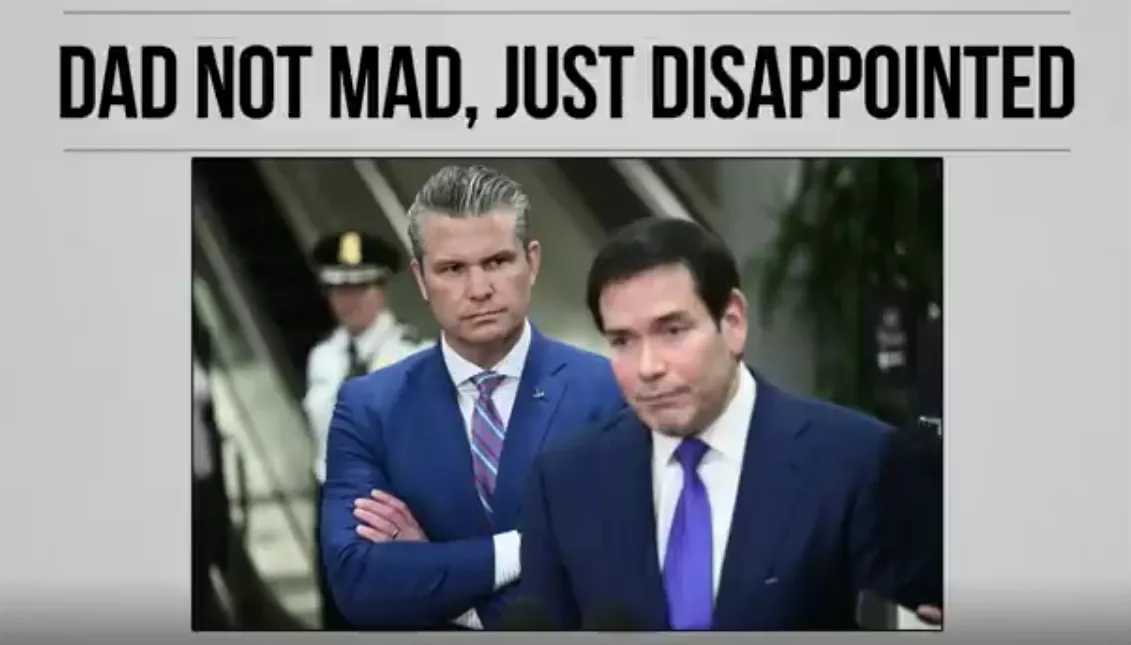
When the ‘liberation’ fails and you have to go back to pretending you care about human rights.

post photo preview

Noem is just a M3GAN doll with a DHS badge and a 'Domestic Terrorist' voice box. 🤡🤖📉

post photo preview

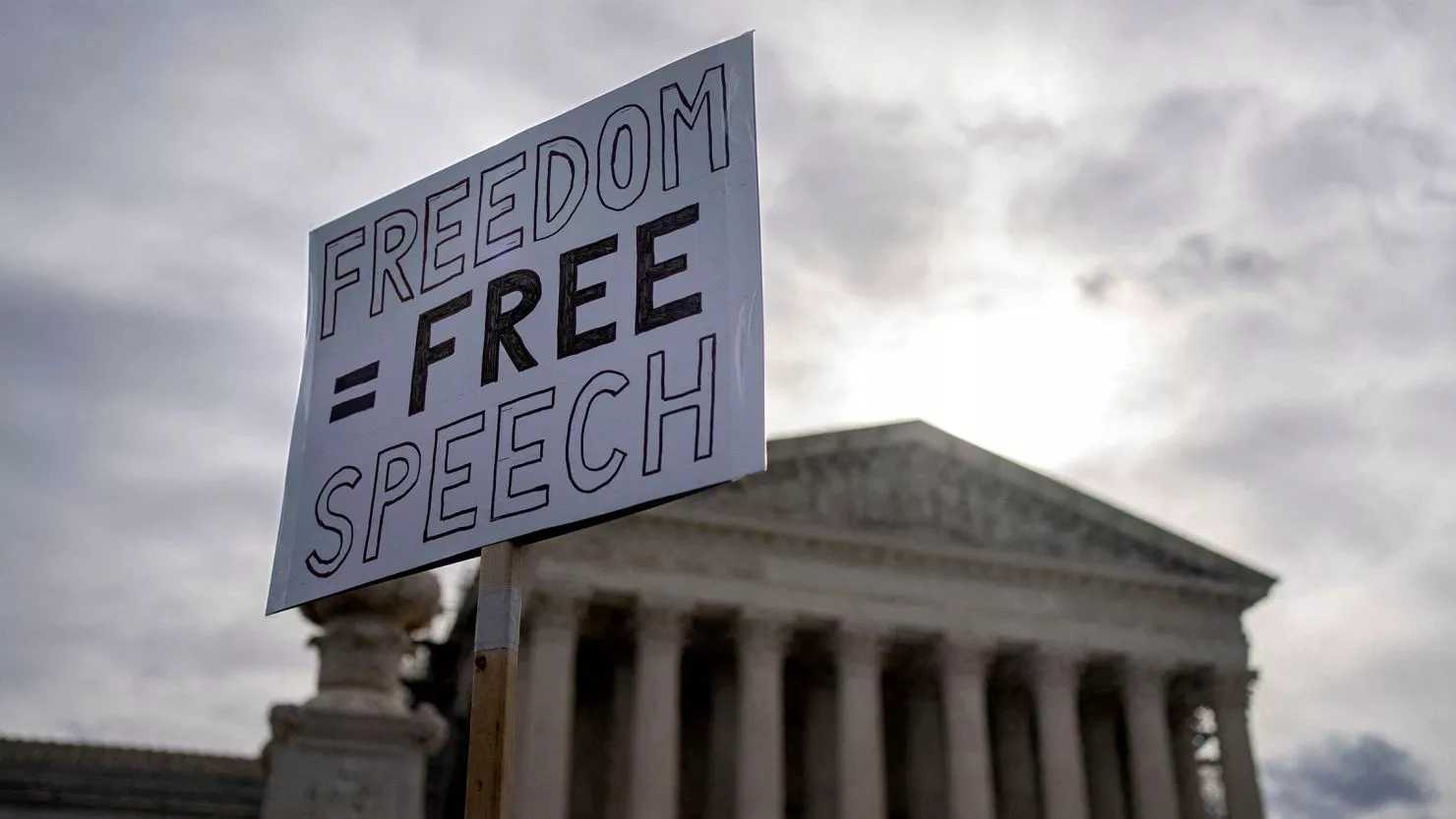
Cens0rship, ge0fencing, b0ts-on-b0ts… cute tricks. Problem is: people woke up.
You can smear a few, fire a few - but the spell’s breaking.
Allies, inflūencers, l0bbies? Expiring soon. ⏳

#Gl0balCitizen #Trump #USPolitics #America #USA #UK #UKPolitics #EndOfTheAct #Mask0ff #Gl0balAwake #MaskSlipped #Backf1re

post photo preview
post photo preview
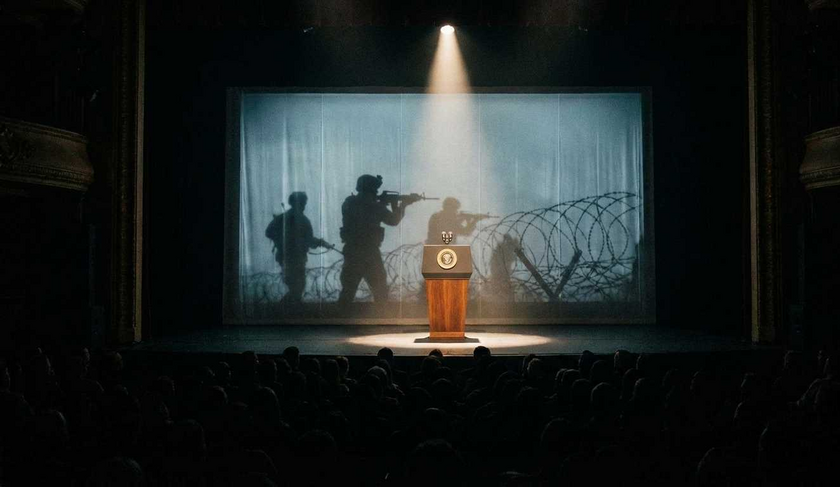
The Theater of Power
Trump, Spectacle Politics, and the Fragile Future of American Democracy

I. The Year That Began Without Gravity

There are years that arrive quietly, easing societies into continuity. And then there are years that feel immediately unmoored, as though the stabilizing forces that once held institutions in place have suddenly weakened. The opening weeks of 2025 belong firmly to the latter category.

What distinguishes this moment is not the emergence of crisis alone, but the speed with which accumulated pressures appear to have lost containment. Political language has grown sharper, executive power more theatrical, and the distance between constitutional norms and rhetorical experimentation alarmingly thin. Events that once would have provoked national reckoning now arrive in clusters, barely processed before being replaced by the next provocation.

The sensation is not unlike watching a carefully balanced structure collapse piece by piece - not because of a single decisive blow, but because too many load-bearing norms have been removed without concern for consequence.

At the center of this destabilization stands the figure of President Donald Trump, whose governing style has never aspired to institutional quietude. Yet what now emerges is something more severe than mere disruption. It is a governing philosophy rooted in escalation, personalization, and spectacle - one that treats democratic systems not as constraints to respect, but as props to manipulate.

II. Governance as Escalation, Not Resolution

Traditional democratic leadership is measured, at least in part, by its capacity to absorb conflict without amplifying it. The ability to de-escalate unrest, to distinguish between dissent and disorder, and to preserve legitimacy even amid disagreement has long been understood as the core responsibility of executive power.

The governing posture that has increasingly defined Trump’s presidency in 2025 moves in the opposite direction.

When federal enforcement actions provoke public unrest, the response is not reconciliation but threat. When protests erupt, the rhetoric does not seek understanding but casts suspicion. Disorder is not treated as a social signal demanding political repair, but as justification for coercive force.

This logic is circular and self-reinforcing. Federal actions generate resistance. Resistance is framed as criminality or conspiracy. Criminality becomes the rationale for militarization. Militarization, in turn, deepens alienation, ensuring further unrest.

In this framework, governance becomes indistinguishable from confrontation. The president does not act as mediator between state power and civil society, but as antagonist to a public increasingly portrayed as hostile, manipulated, or illegitimate.

III. The Suspicion of Civic Motive

One of the most revealing elements of this political worldview is its profound mistrust of ordinary civic motivation.

Public protest, in this telling, cannot arise organically. Dissent must be purchased. Conviction must be compensated. Conscience, unless monetized, does not exist.

This assumption reveals more about the psychology of power than about the protesters themselves. It reflects a deeply transactional understanding of human behavior - one in which loyalty is bought, outrage is staged, and belief is always a performance for pay.

The implications are corrosive. If protest is never sincere, then persuasion is unnecessary. If dissent is always foreign-funded or professionally orchestrated, then repression becomes justified. And if the public is imagined not as a political community but as a manipulated crowd, then democratic accountability dissolves.

In such a worldview, the state owes its citizens nothing beyond order. Participation becomes suspect. Opposition becomes treasonous.

IV. Militarization as Domestic Theater

The invocation of federal troops in response to civil unrest marks a dangerous symbolic threshold - not because such authority does not legally exist, but because of how casually it is now introduced into political discourse.

Military force, when directed inward, carries a weight that exceeds its tactical function. It communicates a shift in the state’s self-perception: from guarantor of civil peace to enforcer of political compliance.

The normalization of this language matters. Even when troops are not deployed, the threat itself reshapes expectations. It conditions the public to accept the presence of armed force in civic life. It reframes protest not as participation, but as insurrection.

Once this framing takes hold, emergency powers become easier to justify. The distinction between civilian governance and martial authority blurs. And the space for peaceful dissent narrows.

V. The Authoritarian Joke Problem

Perhaps the most unsettling feature of the current political moment is the ambiguity surrounding presidential speech.

Statements about suspending elections, eliminating democratic processes, or extending executive rule are often dismissed as jokes, exaggerations, or provocations meant to unsettle opponents. Yet humor functions differently when it comes from power.

Authoritarianism rarely announces itself solemnly. Historically, it advances through suggestion, normalization, and the gradual erosion of taboo. What begins as jest becomes possibility. What is laughed off one year is tested the next.

The danger lies not in any single statement, but in the cumulative effect of repetition. When democratic norms are repeatedly mocked, their moral authority weakens. When elections are treated as optional, their inevitability fades. And when the public is asked to guess whether a leader is joking or serious, the uncertainty itself becomes destabilizing.

Democracy depends on predictability. Ambiguity, when wielded by power, is not humor - it is leverage.

VI. Demonization and the Language of Dehumanization

A defining feature of authoritarian political trajectories is the transformation of political opposition into existential threat.

The language employed to describe opponents - “vermin,” “enemies,” “traitors,” “invaders” - is not incidental. It is preparatory. Such rhetoric reframes disagreement as pathology, and difference as danger.

Once opponents are cast as subhuman or alien, extraordinary measures become thinkable. Legal protections appear indulgent. Violence becomes defensive.

This is not merely rhetorical excess. It is the moral groundwork of repression.

VII. Emergency Powers and the Illusion of Order

The consolidation of executive authority often proceeds under the banner of necessity.

Crisis becomes opportunity. Disorder becomes pretext. The promise of restored order is offered in exchange for suspended norms.

Yet emergency powers, once invoked, rarely retreat fully. They leave institutional residue. Precedents linger. The extraordinary becomes ordinary.

What is lost is not only legal balance, but civic expectation. Citizens acclimate to rule by decree. Accountability weakens. Governance becomes episodic, driven by spectacle rather than deliberation.

VIII. Policy as Branding: The Hollow Center of Performance

Nowhere is the theatrical nature of this governance style clearer than in the realm of policy.

Grandly named initiatives appear without substance, coherence, or feasibility. Mathematical impossibilities are asserted with confidence. Structural complexity is replaced by slogans.

Policy becomes marketing. Governance becomes branding.

This hollowing out matters. When citizens are offered fantasy instead of function, trust collapses. The state ceases to be an instrument of collective problem-solving and becomes a stage for personal mythmaking.

IX. Vanity as Foreign Policy

The personalization of power extends beyond domestic governance into diplomacy itself.

International engagement is filtered through ego, recognition, and symbolic reward. Prestige substitutes for principle. Flattery becomes currency.

In this environment, serious statecraft is reduced to transactional theater. The global order is navigated not through strategy, but through affirmation.

Such personalization introduces profound instability. Alliances become conditional. Commitments fluctuate with mood. Diplomacy loses continuity.

X. The Infantilization of Power

Underlying much of this political style is a troubling immaturity - not in temperament alone, but in institutional understanding.

Power is treated as entitlement rather than responsibility. Constraint is resented rather than respected. Complexity is dismissed as weakness.

This infantilization is dangerous precisely because it coincides with unprecedented destructive capacity. Modern executive authority controls forces that can devastate societies, economies, and ecosystems. When such power is wielded impulsively, the margin for error disappears.

XI. Historical Warnings Ignored

History offers no shortage of warnings about leaders who confuse spectacle with strength.

Democracies do not usually collapse through coups alone. They erode through normalization - when citizens grow accustomed to rhetoric that would once have shocked, when institutions bend rather than resist, when legality is treated as technicality rather than principle.

The tragedy is not ignorance of history, but indifference to it.

XII. Democracy as a Moral Practice

Democracy is not merely a system of elections. It is a moral discipline - a collective agreement to resolve conflict without annihilation, to accept limits even when inconvenient, and to treat opponents as legitimate participants rather than enemies.

When leadership abandons this discipline, democracy does not vanish overnight. It thins. It hollows. It becomes procedural without substance.

XIII. The Danger of Normalization

Perhaps the gravest risk of the current moment is habituation.

Citizens adjust. Media adapts. Institutions accommodate. What once felt alarming becomes background noise.

This is how erosion succeeds - not through shock, but through fatigue.

XIV. A Choice Still Open

Despite the severity of these trends, history is not finished.

Democratic decline is not destiny. Institutions can recover. Norms can be reasserted. Power can be restrained.

But only if societies refuse to mistake spectacle for leadership, coercion for strength, and dominance for legitimacy.

The future of American democracy will not be decided by a single election, policy, or personality. It will be decided by whether citizens insist that power serve the public rather than perform for itself.

In the end, democracy does not fail when leaders overreach alone. It fails when restraint is no longer demanded.
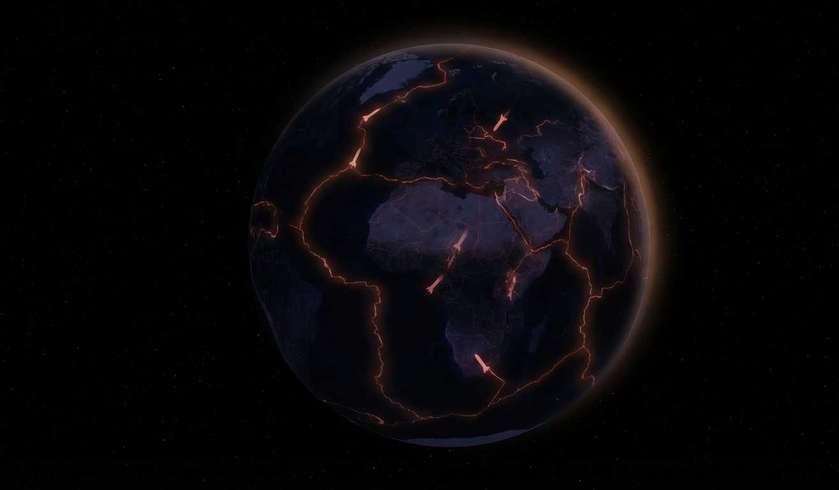
Read full Article
post photo preview
The Collapse of Global Restraint
Power Politics, Moral Failure, and the Return of Existential War

I. A World Losing Its Nerve

There are moments in history when catastrophe announces itself not through sudden violence, but through language. Before bombs fall, before borders burn, societies reveal their trajectory in the words their leaders choose - and in the ideas their publics are taught to accept as normal.

We are living through such a moment.

What defines the current geopolitical era is not merely the accumulation of crises, but the evaporation of restraint. Strategic caution, legal norms, and moral taboos - painfully constructed after the ruins of the twentieth century - are no longer treated as guardrails. They are increasingly framed as obstacles. What once required secrecy is now discussed openly. What once demanded justification is now assumed. What once provoked horror is now debated as policy.

This is not a story about a single war, a single country, or a single ideology. It is the story of a system losing its memory.

The post–World War II order was built on a shared recognition: that modern industrial war, especially between great powers, is not survivable. That assassination as statecraft corrodes legitimacy. That borders altered by force invite endless retaliation. That nuclear weapons exist not to be used, but to terrify humanity into restraint.

Today, those principles are no longer sacrosanct. They are negotiable.

II. Multiplying Crises, Shrinking Judgment

The contemporary world presents a constellation of flashpoints that would, in any earlier era, have demanded extreme caution.

The possibility of direct confrontation between the United States and Iran threatens to destabilize one of the most strategically sensitive regions on earth. Iran is not Iraq. It is not Libya. It is a civilizational state with deep social cohesion, vast energy reserves, and regional alliances capable of retaliatory escalation. Any serious conflict risks collapsing regional stability, disrupting global energy markets, and triggering mass displacement on a scale unseen in decades.

At the same time, casual discussions of territorial acquisition - such as the absorption of Greenland - signal something equally corrosive: the erosion of the principle that borders are inviolable. This principle was not moral idealism; it was pragmatic survival. Once power alone determines ownership, alliances become meaningless, and smaller states exist only at the mercy of stronger ones.

Elsewhere, regime change is increasingly framed not as a tragic last resort, but as a routine instrument. The removal or coercive capture of foreign leadership - often justified through legal abstractions - has produced not stability, but chaos: power vacuums, criminalized economies, and generational trauma.

Yet all of these dangers, grave as they are, function as prelude rather than climax.

The true epicenter of systemic risk lies in Eastern Europe.

III. The Proxy War That Refuses Its Name

The war in Ukraine is often described as a localized conflict, a defensive struggle, or a moral crusade. These descriptions obscure more than they illuminate.

In reality, this conflict has long since transcended Ukrainian sovereignty. It is a proxy war between nuclear-armed powers, conducted on Ukrainian soil, financed and guided by external actors, and justified through narratives that rarely account for Ukrainian human cost.

This does not absolve Russia of responsibility for its actions. It does not sanctify military invasion. But moral clarity demands honesty: this war did not emerge in a vacuum, nor is it sustained by Ukrainian agency alone.

What makes the present moment uniquely dangerous is not the continuation of the war, but the language surrounding its “resolution.”

IV. When Assassination Becomes Acceptable Speech

Perhaps the most alarming development in Western political discourse is the casual endorsement of assassination as a legitimate policy tool.

Calls for the removal by death of a sitting head of state are no longer confined to anonymous forums or extremist rhetoric. They are articulated openly by elected officials, commentators, and strategists, often to applause rather than condemnation.

This represents a profound moral rupture.

Extrajudicial killing was once universally recognized as destabilizing and illegitimate. Its normalization erodes the very foundation of international law. If political murder becomes acceptable when justified by moral outrage, then no leader, anywhere, is secure. Diplomacy collapses into perpetual covert warfare. Deterrence transforms into paranoia.

Equally troubling is the intellectual laziness underlying this rhetoric. It rests on a fantasy: that complex political systems collapse neatly when one man is removed. History offers no support for this belief. States are not run by individuals alone, but by networks - military institutions, economic interests, intelligence agencies, ideological factions.

Assassination does not end conflicts. It multiplies them.

V. The Illusion of Moral Superiority

Western political culture increasingly frames itself as morally exceptional - uniquely entitled to define good and evil, legality and criminality. This self-image, once grounded in real achievements, has hardened into dogma.

It permits actions abroad that would be condemned instantly if directed inward. It justifies collective punishment through sanctions that devastate civilian populations while leaving power structures intact. It encourages narratives that dehumanize entire societies as backward, irrational, or inherently aggressive.

This moral asymmetry is not strength. It is decay.

A system that claims universal values but applies them selectively loses credibility. A political culture that equates disagreement with villainy forfeits diplomacy. A civilization that believes itself incapable of wrongdoing becomes incapable of correction.

VI. Europe’s Crisis of Meaning

One of the most striking dimensions of the current geopolitical landscape is Europe’s existential uncertainty.

Europe is not collapsing materially alone; it is unraveling psychologically. Its postwar identity - rooted in economic prosperity, American security guarantees, and moral rehabilitation - has reached its limits. Economic stagnation, demographic anxiety, and political fragmentation have eroded confidence in the future.

In this context, confrontation becomes seductive. External enemies offer internal coherence. War promises relevance. Moral crusades compensate for domestic failure.

Yet Europe’s history should inspire humility, not bravado. The continent that produced colonialism, racial hierarchy, and two world wars cannot afford amnesia. Power without self-knowledge is not leadership - it is repetition.

VII. Nuclear Weapons and the Restoration of Fear

The most chilling element of contemporary discourse is the renewed openness surrounding nuclear escalation.

Nuclear weapons were designed to instill terror - not in enemies alone, but in their possessors. Their moral function was restraint through fear. When that fear erodes, catastrophe follows.

The suggestion that nuclear use could be “limited,” “manageable,” or morally instrumental reflects a profound misunderstanding of both physics and psychology. Nuclear weapons do not escalate proportionally. They redefine reality.

Once the threshold is crossed, control becomes illusion.

To speak of nuclear war as strategy rather than tragedy is to confess civilizational exhaustion.

VIII. Civilization, Identity, and the Search for Meaning

At its deepest level, the present crisis is not geopolitical alone. It is spiritual.

Modern politics increasingly denies transcendence, tradition, and moral continuity. It reduces human beings to economic units, identities to abstractions, and history to inconvenience. In doing so, it erodes the instinct for self-preservation.

Civilizations survive not because they are powerful, but because they believe life is sacred, the future is real, and limits matter.

When those beliefs vanish, destruction becomes negotiable.

IX. Toward a Multipolar Reality

The emerging global order is no longer unipolar. Power is dispersing - not always toward justice, but toward balance.

This reality demands diplomacy, humility, and strategic maturity. It cannot be navigated through moral posturing or nostalgic dominance. Attempts to enforce a fading hierarchy through coercion will accelerate fragmentation, not restore control.

Multipolarity is not inherently dangerous. Recklessness is.

X. The Choice Before Us

History rarely announces itself as history. It whispers through normalized language, incremental decisions, and moral compromises justified as necessity.

We stand at a threshold not because war is inevitable, but because restraint is optional.

The future will not be decided by weapons alone, but by whether societies remember why those weapons were never meant to be used.

Civilizations do not collapse from weakness alone. They collapse when they forget why survival mattered.

The world does not need more certainty. It needs more humility.

And above all, it needs the courage to say that not everything that can be done should be done.

Read full Article
post photo preview
أزمة الكلاب الضالّة في مصر
بين الخوف والرحمة والعلم

لحظة الخوف الأولى… حين يتقدّم الجسد على العقل

الخوف في تلك اللحظة ليس فكرةً واعية، ولا موقفًا فلسفيًا، ولا اختيارًا أخلاقيًا.
 إنه ردّ فعلٍ بدائي، خاطف، ينبثق من أقدم طبقات الدماغ؛ تلك التي لا تعرف لغة النقاش، بل لغة النجاة.

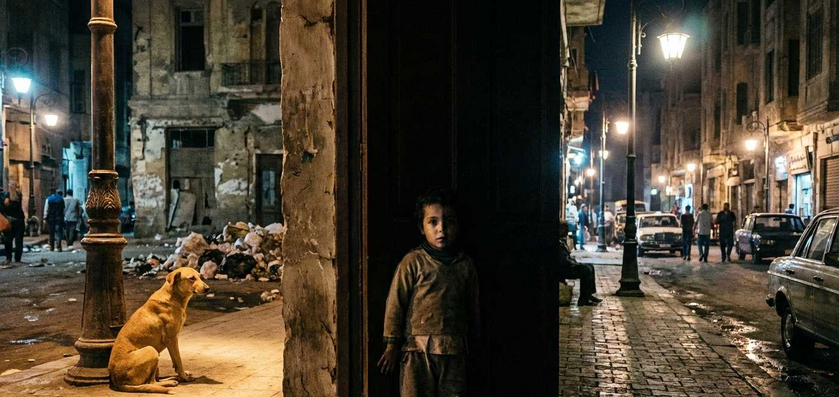
تمشي ليلًا في شارعٍ شبه خالٍ.
 ضوء عمود إنارة يتمايل كأنه يوشك أن ينطفئ.
 صوت خطواتك يتضخّم في أذنيك.
 وفجأة… يقف كلبٌ ضال في منتصف الطريق.

لا تعرف:
 هل هو جائع أم خائف؟
 مريض أم مسالم؟

ولا يملك هو بدوره وسيلةً ليعرف إن كنت عابر سبيل أم تهديدًا.
 في تلك الثواني القليلة، تتبخّر كل النقاشات النظرية عن “حقوق الحيوان” و“الرفق” و“البيئة”.
 يبقى سؤال واحد، عارٍ وبسيط وقاسٍ:

هل أهرب… أم أستعدّ للأسوأ؟

من هذه اللحظة اليومية المتكرّرة في شوارع مصر، تبدأ حكاية أزمةٍ لم تعد تخصّ الكلاب وحدها، بل تكشف شقوقًا عميقة في المجتمع والدولة والثقافة والاقتصاد، بل وفي فهمنا ذاته لمعنى الرحمة والأمان.

أزمة تشطر المجتمع… إبادة أم إنقاذ؟

لم تعد قضية الكلاب الضالّة موضوعًا هامشيًا أو جدلًا عاطفيًا محصورًا في دوائر نشطاء الرفق بالحيوان.
 لقد تحوّلت إلى انقسام اجتماعي حاد.

  • فريق يرى في الكلاب خطرًا داهمًا يجب القضاء عليه بلا تردّد، معتبرًا أن حياة الإنسان تعلو فوق كل اعتبار.
  • وفريق آخر يرى أن هذه الكلاب ضحايا إهمالٍ بشريٍّ طويل، وأن قتلها جريمة أخلاقية وبيئية.

غير أن المأزق الحقيقي لا يكمن في وجود الخلاف، بل في طريقة إدارته.
 فهذا الانقسام يُدار غالبًا بالصراخ لا بالمعرفة، وبالخوف لا بالعلم، وبالانفعال لا بالحلول.

وهكذا تضيع القضية بين طرفين، بينما الحقيقة أكثر تعقيدًا من أن تُختصر في شعار.

الأرقام التي لا تحبّها العناوين

بحسب تقديرات رسمية وغير رسمية، يتراوح عدد الكلاب الضالّة في مصر بين 10 و15 مليون كلب، فيما تذهب بعض التقديرات غير الحكومية إلى أرقام أعلى بكثير.

حتى عند الاكتفاء بالحد الأدنى، فنحن نتحدث عن عدد يوازي سكان دولٍ كاملة.

هذا الوجود الكثيف يخلق احتكاكًا يوميًا مباشرًا مع البشر، تُترجم نتائجه إلى ما بين 200 ألف و400 ألف حالة عقر سنويًا، وفق بيانات وزارة الصحة ومنظمة الصحة العالمية.

ورغم ضخامة الرقم، يتلقّاه المجتمع ببرودٍ مدهش، كأنه مجرد سطر في نشرة إحصائية، لا علاقة له بالدم، ولا بالألم، ولا بالخوف الذي يسبق العضة بثوانٍ.

حادثة كسرت الوهم… حين مات الأمان خلف الأسوار

في فبراير 2023، سقط قناعٌ ظلّ كثيرون يتخفّون خلفه طويلًا:
 قناع الاعتقاد بأن الخطر حكرٌ على الشارع الشعبي، وأن المال قادر على شراء الأمان.

في أحد المجمعات السكنية الفاخرة، هاجم كلبٌ شرس من سلالة مستوردة أحد السكان.
 لم يكن كلب شارع، ولا كلب قمامة.
 كان كلبًا “مملوكًا”، محاطًا بالأسوار والحراسة.

دخل الرجل في غيبوبة طويلة، ثم مات.

لم تكن الصدمة في الموت وحده، بل في الرسالة القاسية التي حملتها الحادثة:
 الخطر لا يعرف طبقة اجتماعية.

وكان لصدى هذه الواقعة أثرٌ مباشر، دفع الدولة إلى التحرّك… لكن على نحو كشف مفارقة أعمق.

القانون… حين يُعالَج العرض وتُترك العلّة

في أعقاب الحادثة، صدر قانون لتنظيم حيازة الحيوانات الخطرة.
 حُظرت سلالات، فُرضت غرامات، ووضعت شروط صارمة على التربية والاقتناء.

غير أن هذا التحرّك، رغم أهميته الظاهرية، عالج قمة جبل الجليد فقط.
 ركّز على كلاب الأثرياء داخل الكومباوندات، وتجاهل ملايين الكلاب التي تعيش وتموت في الشوارع.

وهنا تتجلّى المفارقة بوضوح مؤلم:
 قانون صارم حيث النفوذ،
 وفراغ تشريعي حيث الخطر الحقيقي.

من هو المذنب الحقيقي؟

هل هو الكلب الشرس؟
 أم الكلب البلدي الفقير؟
 أم المواطن الخائف؟
 أم الدولة الغائبة؟

الإجابة الأقرب إلى الصدق: الجميع… لكن بدرجات متفاوتة.

غير أن الجذر الحقيقي للأزمة لا ينبح، ولا يعضّ، ولا يطارد المارّة.
 الجذر الحقيقي مكدّس في الشوارع، وتحت الأرصفة، وحول البيوت.

إنه القمامة.

القمامة… البوفيه المفتوح الذي لا ينفد

تنتج المدن المصرية آلاف الأطنان من المخلفات العضوية يوميًا:
 بقايا طعام، أسواق، مطاعم، مطابخ.

تُترك هذه النفايات في الشوارع، فتحوّل المدينة إلى مائدة مفتوحة دائمة لكل الكائنات القمّامة.

وهنا يعمل قانون بيئي صارم لا يعرف المجاملة، يُسمّى السعة البيئية:
 عدد الكائنات في أي مكان يتناسب طرديًا مع كمية الغذاء المتاحة.

ما دامت القمامة موجودة…
 فالكلاب ستبقى، وستتكاثر.

القتل ليس حلًا… بل وصفة مؤكّدة للفشل

الأسلوب التقليدي المتّبع - التسميم أو الرصاص - لم ينجح في أي مكان في العالم على المدى الطويل.

بل إنه ينتج ما يُعرف علميًا بـ تأثير الفراغ البيئي:
 تُقتل الكلاب في منطقة ما، فتجد الكلاب المتبقية غذاءً أوفر ومنافسة أقل، فتتكاثر بسرعة أعلى، وتنجذب كلاب جديدة من المناطق المجاورة.

النتيجة النهائية؟
 عدد أكبر، وعدوانية أشد، وخطر أعظم.

الكلب البلدي… من الهامش إلى التاريخ

في مفاجأة علمية لافتة، أثبتت دراسات جينية حديثة أن الكلب البلدي المصري ليس هجينًا بلا أصل، بل سلالة نقية ضاربة في القدم، يعود تاريخها إلى نحو 15 ألف سنة.

أي أنه عاش على هذه الأرض قبل بناء الأهرامات، وقبل نشوء الدولة نفسها.

قصة الكلبة “أمل”، التي أُجري لها تحليل وراثي في الولايات المتحدة، كشفت أنها تكاد تخلو من الأمراض الوراثية التي تعانيها السلالات المستوردة.

القوة، المناعة، التكيّف…
 كلها صفات الكلب الذي اعتدنا احتقاره.

الحل الذي لا نريده لأنه عقلاني

الحل المثبت علميًا وإنسانيًا هو نظام:

الاصطياد - التعقيم - التطعيم - الإعادة

  • إمساك رحيم
  • تعقيم يمنع التكاثر
  • تطعيم ضد السعار
  • إعادة إلى المكان الأصلي

الكلب المعقّم والمطعّم لا يشكّل خطرًا، بل يمنع دخول كلاب غريبة، ويخلق توازنًا بيئيًا مستقرًا، وتُوضع في أذنه علامة واضحة تدل على حالته.

الاقتصاد… حين يكون القتل أغلى من الرحمة

تكلفة الأمصال المستوردة لعلاج مئات آلاف حالات العقر سنويًا تفوق بكثير تكلفة برامج التعقيم.

لكننا نصرّ على سياسة قصيرة النظر:
 العلاج بعد الكارثة بدل الوقاية قبلها.

وهو هدر مالي قبل أن يكون فشلًا إداريًا.

الدين والأخلاق… الرحمة ليست خيارًا

ما يُسمّى “قتلًا رحيمًا” باستخدام سموم محرّمة دوليًا هو تعذيب بطيء، يتناقض مع أبسط القيم الدينية والإنسانية.

الخلاف الفقهي حول نجاسة الكلب لا يبرّر إيذاءه، فضلًا عن قتله.

الرحمة هنا ليست ترفًا أخلاقيًا، بل معيار حضارة.

صورة مصر… بين كلب الهرم وكلب الشارع

حين ظهر “كلب الهرم” واقفًا على القمة، اجتذب اهتمام العالم، وصار رمزًا طريفًا جذب السياح.

لكن في المقابل، تنتشر مقاطع تعذيب الكلاب، فتترك أثرًا مدمّرًا على صورة بلد يعتمد على السياحة.

في عالم اليوم، الأخلاق جزء من الاقتصاد.

الجغرافيا لا تكذب

مناطق مثل دهب ونويبع، حيث تُطعَّم الكلاب ويُعتنى بها، تشهد تعايشًا سلميًا واضحًا.

بينما المناطق ذات إدارة القمامة السيئة تسجّل أعلى معدلات العقر.

الدرس بسيط… والوقائع لا تكذب.

مثلث الحل

الحل ليس مستحيلًا، لكنه يحتاج تلاقي ثلاثة أضلاع:

الدولة:
 إصلاح منظومة النظافة، وتحويل الميزانيات من القتل إلى التعقيم.

المجتمع المدني:
 الدعم والمشاركة، لا الشيطنة والتخوين.

الثقافة:
 تعليم، ووعي، واحترام للحياة.

لكلب مرآتنا

الكلب البلدي ليس عدوًّا.
 إنه مرآة لفشلنا في الإدارة، وفي الرحمة، وفي العلم.

عاش على هذه الأرض آلاف السنين، ونجا من حضارات وسقوط دول.
 ويبقى السؤال الحقيقي، لا عن مصيره… بل عن مصيرنا:

هل سننجح نحن في اجتياز هذا الاختبار الحضاري؟

Read full Article
Available on mobile and TV devices
google store google store app store app store
google store google store app tv store app tv store amazon store amazon store roku store roku store
Powered by Locals